Destination

icons
Duration
45 Days
icons
Tour Type
Adventure
Climbing
trekking
icons
Group Size
Max 10 climbers per group
icons
Tour Guide
2 Mentor
Everest Expedition
Nepal

45-Day Everest Expedition – 8,848.86 m

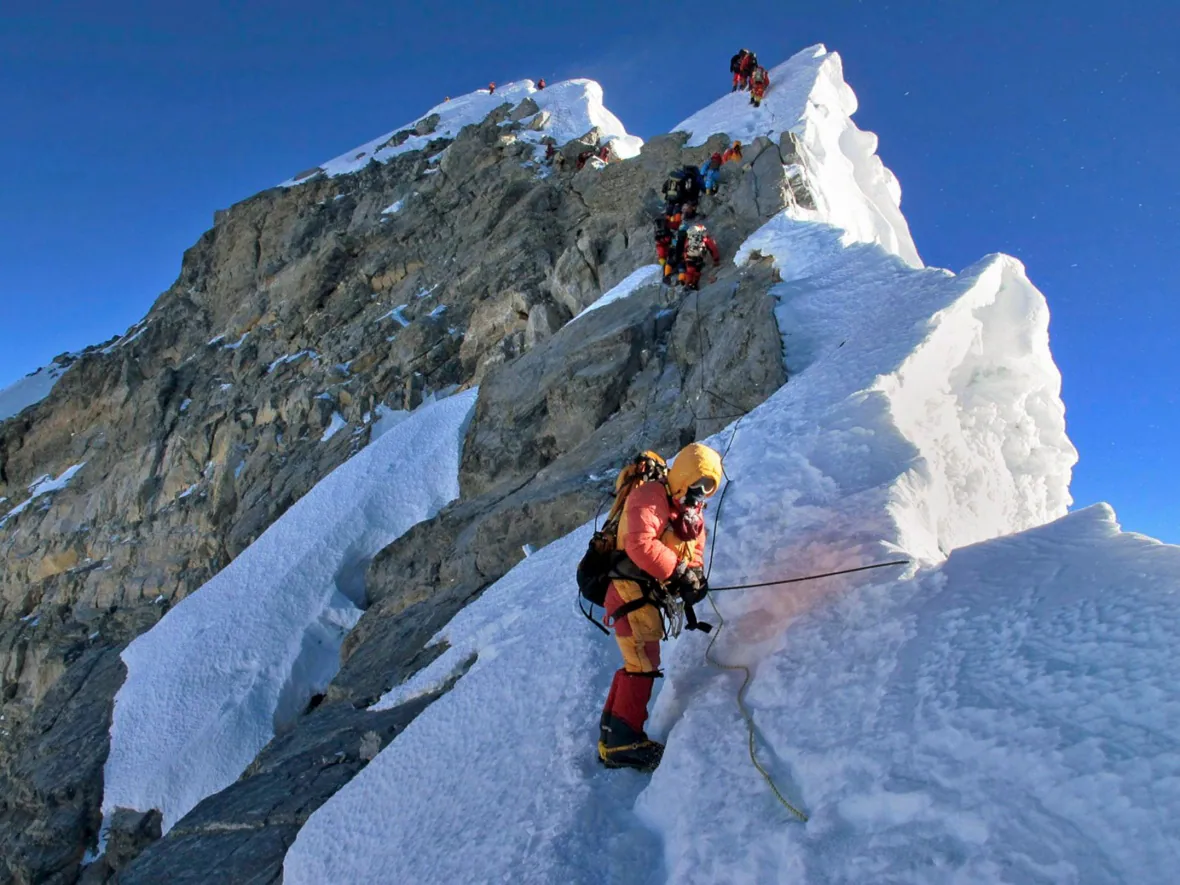
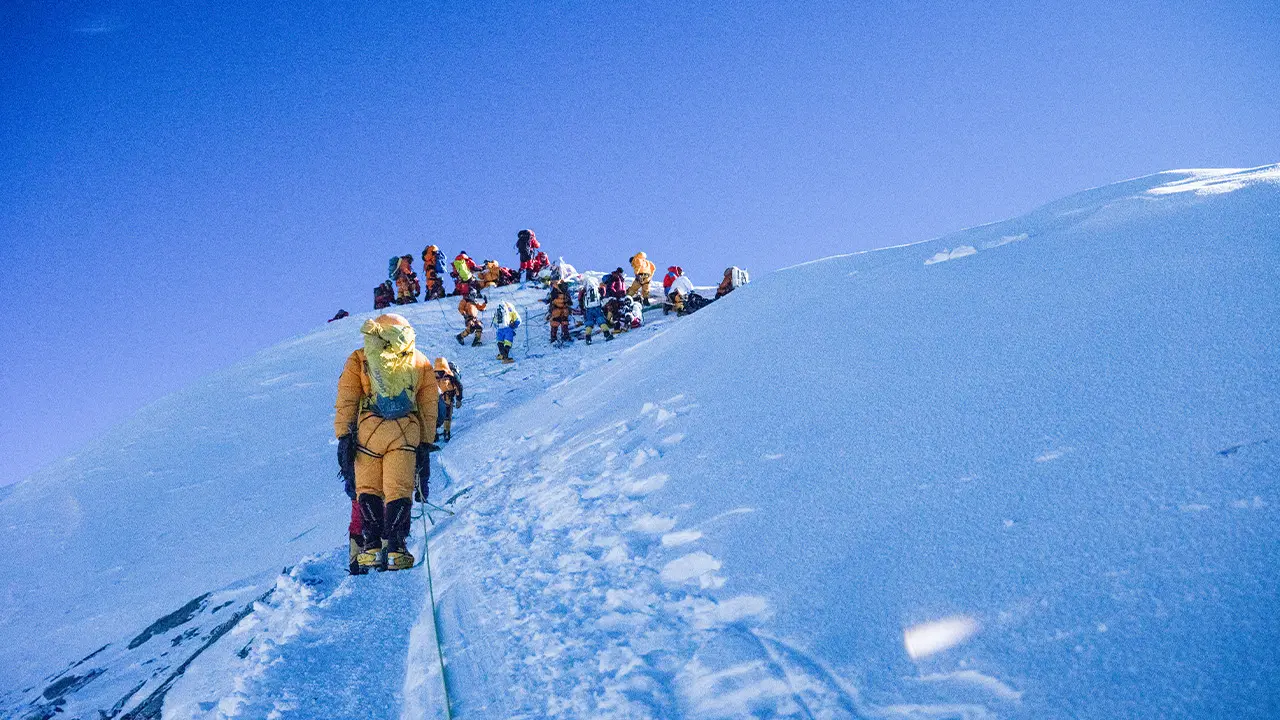
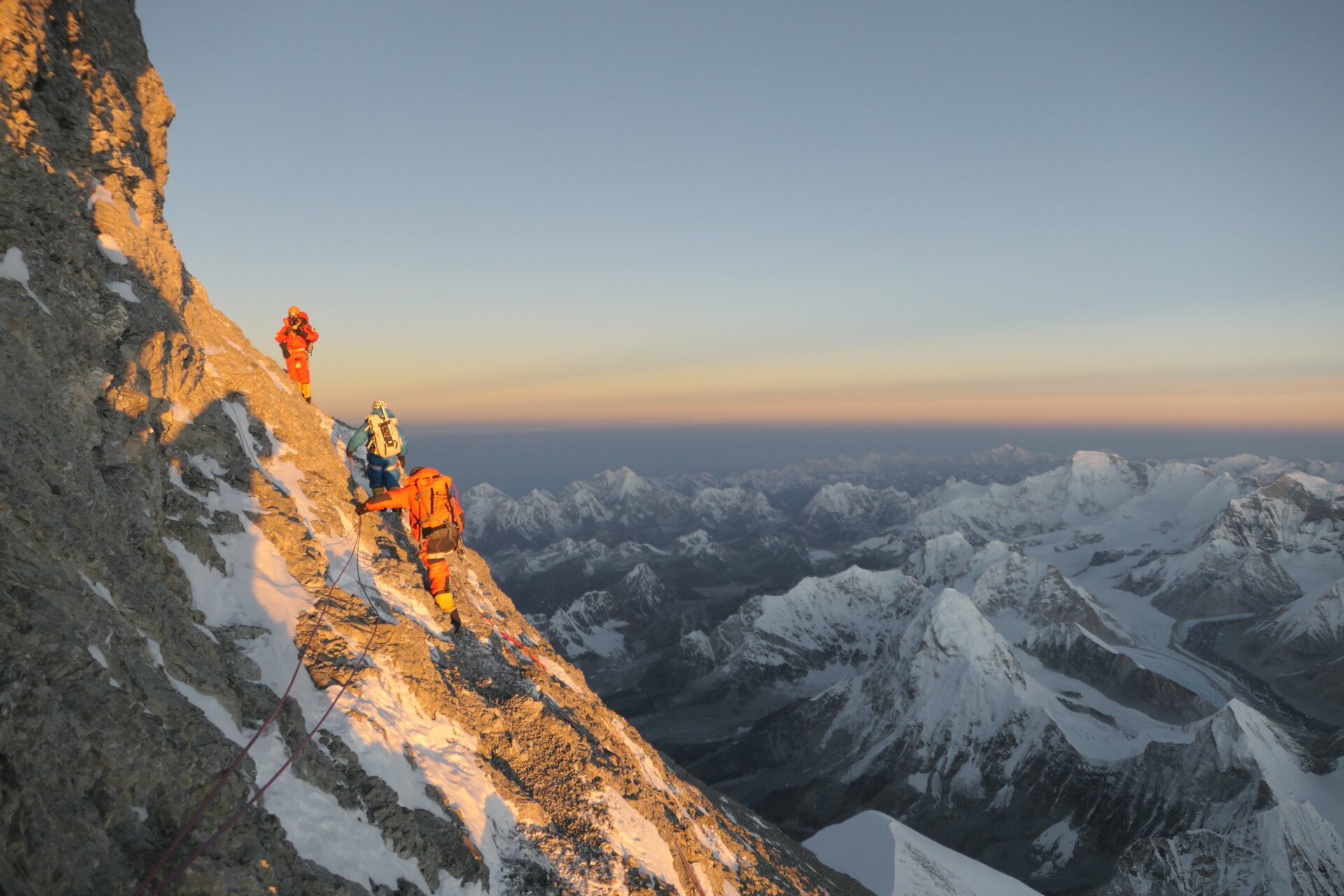
The 45-day Everest Expedition stands as the ultimate mountaineering challenge and a lifelong ambition for climbers from around the world. Towering at 8,848.86 meters (29,031.7 feet), Mount Everest is not just the highest mountain on Earth, it is also one of the most iconic and spiritually symbolic peaks on the planet.

To begin the journey, the expedition starts with a scenic flight to Lukla, a small mountain town considered the gateway to the Everest region. From there, climbers embark on a multi-day trek through the Khumbu Valley, passing through Sherpa villages like Phakding, Namche Bazaar, Tengboche, and Dingboche. Throughout the journey, participants witness dramatic changes in landscapes—from lush forests and rhododendron groves to barren, rocky terrains above the tree line.

In addition to natural beauty, cultural encounters enrich the 45-day Everest Expedition in powerful ways. As you travel, Buddhist monasteries, fluttering prayer flags, and stone mani walls serve as constant reminders of the region’s deep spiritual roots. The local Sherpa community, many of whom work as guides and porters, bring centuries of high-altitude wisdom and a unique connection to the mountain. Their traditions, hospitality, and resilience leave a lasting impression on every climber.

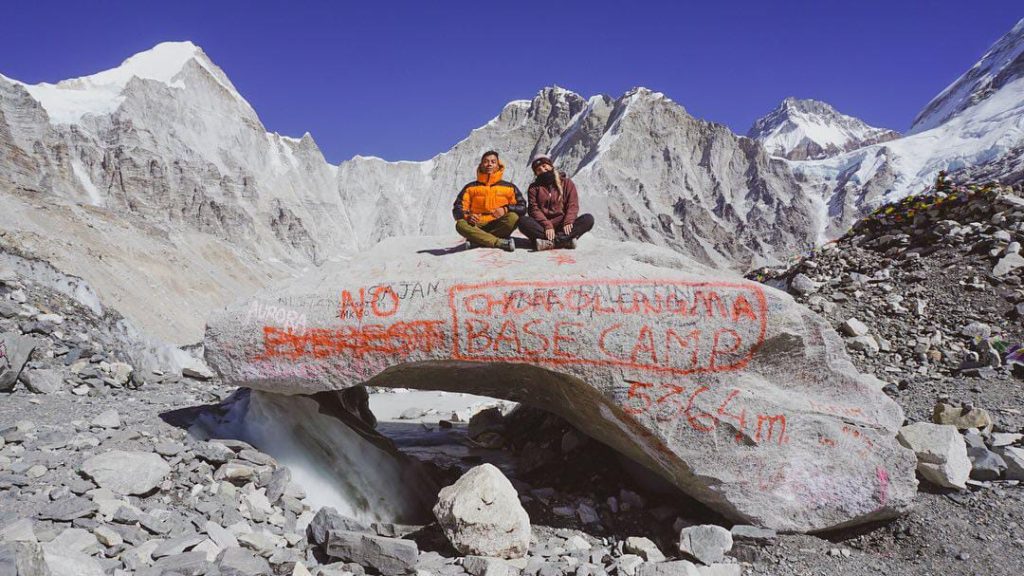
Eventually, you reach Everest Base Camp at 5,364 meters, where the acclimatization process begins. During this period, climbers perform multiple rotations between higher camps to adapt to the thinning air. Soon after, they must face the infamous Khumbu Icefall—one of the expedition’s most dangerous segments. This ever-changing maze of ice towers and crevasses requires both skill and caution, as it must be crossed several times during the climb.

Ultimately, climbing Mount Everest is about more than just checking off a mountaineering achievement. Rather, it’s about immersing yourself in the raw beauty of the Himalayas, facing your limits, and discovering something deeper within. While some are driven by a personal challenge or the desire to reach the highest point on Earth, others view it as a spiritual or life-defining journey. Regardless of the motivation, the expedition offers profound personal growth.

Moreover, the Everest region is home to Sagarmatha National Park, a UNESCO World Heritage Site. As you trek through this protected area, you’ll witness a rich tapestry of Himalayan biodiversity. From colorful Himalayan monals to elusive snow leopards and mountain goats, the park offers rare wildlife sightings set against a backdrop of snow-capped peaks and pine forests.

Preparing for the Everest Expedition

Conquering Mount Everest requires more than ambition. Instead, you’ll need thorough preparation and prior experience. Here’s how to get ready:

  • Climb intermediate peaks like Island Peak, Lobuche East, or Ama Dablam (above 6,000–7,000 meters)
  • Master essential skills: rope techniques, ice climbing, and crevasse rescue
  • Train your body through cardio and strength workouts over several months
  • Understand altitude illnesses and how to properly acclimatize
  • Prepare mentally for isolation, extreme cold, and long days on the mountain

Reputable expedition companies typically require proof of previous high-altitude climbs before accepting clients for Everest. This is because going in without the right experience can be dangerous, not just for you, but for the entire team.

Furthermore, due to extreme conditions, having the right high-altitude equipment is critical. As such, your packing list should include in 45-day Everest expedition:

  • Insulated mountaineering boots (double or triple-layered)
  • A full down suit or high-altitude jacket and pants
  • Climbing harness, crampons, and ice axe
  • Ascenders and descenders for rope safety
  • A reliable oxygen system (mask, regulator, and cylinders)
  • -40 °C sleeping bag for extreme cold
  • Thermal base layers, gloves, goggles, and headlamps
  • Medical kit, personal hygiene supplies, and energy snacks

Importantly, all gear must be thoroughly tested and properly fitted before the expedition. Therefore, this step is crucial to prevent discomfort or equipment failure during critical moments at high altitudes, where every detail matters.

The Role of Sherpas

Moreover, no Everest trek and climb is complete without the invaluable support of Sherpas, the legendary mountain experts of the Khumbu region. Not only do they serve as high-altitude guides, but they also work as load carriers, cooks, and rescue assistants, thus ensuring that the expedition runs smoothly from start to finish.

In fact, most Sherpas have summited Everest multiple times and possess an intuitive understanding of the mountain’s behavior. Consequently, their contributions not only enhance the safety and efficiency of the climb but also significantly increase the chances of a successful summit. Additionally, a deep bond often forms between climbers and Sherpas, founded on mutual respect, teamwork, and shared challenges.

Sustainable Climbing & Regulations

However, in recent years, the Everest expedition has faced increasing ecological pressure due to the steady rise in climbers and tourism. To address this, several regulations and sustainability measures have been implemented, including:

  • Mandatory permits and waste management policies
  • Restrictions on the number of climbers per season
  • Enforced cleanup campaigns by expedition groups
  • Climbers must bring back a minimum of 8 kg of waste
  • Use of eco-friendly materials and responsible camping is encouraged
  • Local NGOs and climbing organizations work together to clean up old debris from high camps

As a climber, it’s crucial to follow Leave No Trace principles and respect the environment and communities you interact with.

Emergency Preparedness

Given the high-risk nature of the expedition, having proper insurance and emergency evacuation plans is mandatory. Key considerations include:

  • Helicopter evacuation coverage from high-altitude regions
  • High-altitude medical insurance (including HAPE/HACE treatment)
  • Access to satellite phones or GPS beacons for emergency contact
  • Availability of high-altitude doctors at base camp with oxygen and medical equipment
  • Most expeditions carry Gamow bags (portable pressure chambers), satellite weather forecasts, and contact with rescue operators in Kathmandu

Why Choose Great Vision Trek & Expedition?

Climbing Everest with Great Vision Trek & Expedition ensures you’re supported by:

  • Experienced international and local guides with successful summit histories
  • Pre-climb training support and planning assistance
  • High Sherpa-to-climber ratio for personalized care
  • Reliable logistics and emergency protocols
  • Focus on safety, acclimatization, and climber wellbeing
  • Transparent pricing with no hidden costs

Great Vision Trek & Expedition offers tailored packages designed 45-day Everest expedition to meet the needs of individuals, small groups, and even corporate teams who are pursuing this extraordinary goal.

Customer Review

No rating found

GIVE A RATING

Book the Tour


🔥 Limited seats available! Reserve your seat now.
BOOK NOW INQUIRY NOW
Kedar Mani Khanal

Talk to Expert (Kedar Mani Khanal)

📱 WhatsApp / Viber

+977 9851018052

📧 Email

greatvision71@gmail.com