Manaslu Tsum Valley Trek – 19 days
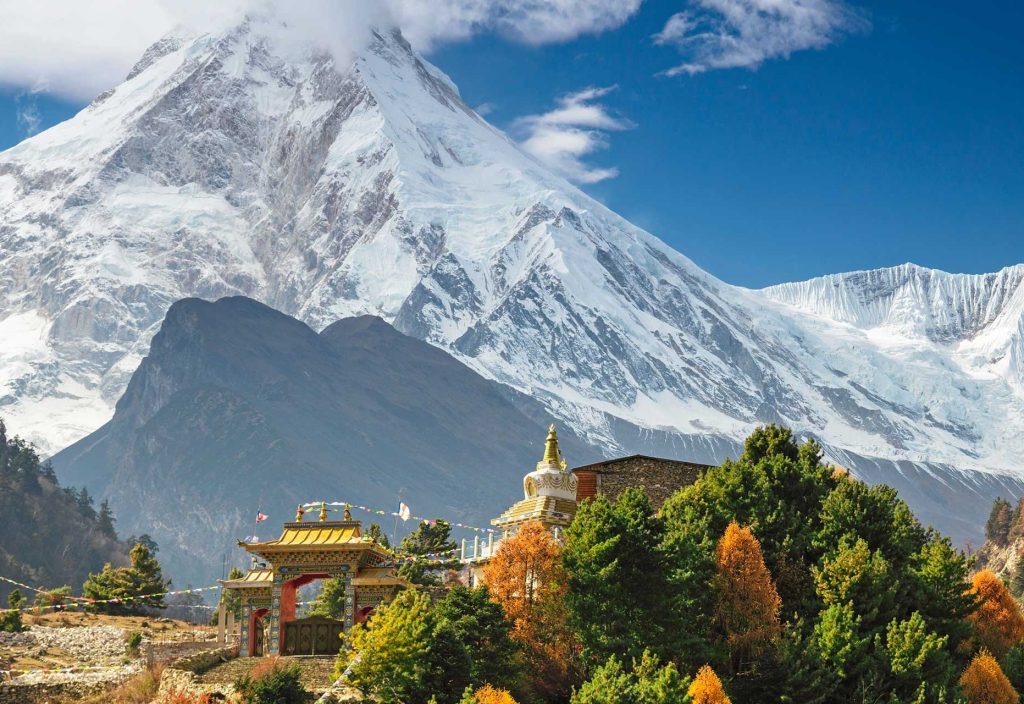
Tsum Valley, located in the remote northern Gorkha district of Nepal near the Tibetan border, is one of the country’s most secluded and culturally rich trekking destinations. Known as the “Hidden Valley of Happiness,” Tsum remained closed to outsiders until 2008. Since its opening, it has attracted trekkers seeking spiritual depth, pristine landscapes, and authentic Himalayan culture.The name “Tsum” comes from the Tibetan word Tsombo, meaning “vivid”—a fitting description for a valley bursting with color, culture, and spiritual energy. Nestled within the Manaslu Conservation Area, the valley is surrounded by the majestic peaks of Ganesh Himal, Sringi Himal, and Baudha Himal.The trek to Tsum Valley begins along the Budhi Gandaki River and meanders through dense forests, terraced fields, and quiet villages. As you climb higher, the scenery changes. Pine forests give way to high-altitude meadows and barren cliffs, all under the shadow of towering Himalayan giants.
Eventually, the path opens into the wide and arid Tsum Valley basin. Traditional stone houses, centuries-old gompas (monasteries), and fluttering prayer flags dot the landscape. This journey offers not just breathtaking views, but also a deep connection to nature and spirituality.
Tsum Valley is more than a trek; it’s a spiritual sanctuary. It’s often called a “Beyul”, meaning a hidden sacred valley where enlightenment is possible. The local people, called Tsumbas, are of Tibetan origin. They follow Tibetan Buddhism with great devotion and live a lifestyle untouched by modernity.
Throughout the trail, you’ll encounter spiritual landmarks like Mu Gompa and Rachen Gompa, where monks still practice ancient rituals. You can also visit Milarepa’s Cave, a revered site where the Tibetan saint meditated.
What to Expect
Follow the Budhi Gandaki from subtropical hills to alpine valleys, then branch into the sacred Tsum basin. Overnights in friendly teahouses, visits to Mu Gompa and Rachen Gompa, day‑hike options to viewpoints and Ganesh Himal Base Camp, and plenty of time for cultural interaction. Daily walking is steady but not extreme; acclimatization days are built in.
Best Seasons: Spring (Mar–May) & Autumn (Sep–Nov) for stable weather and clear views. Winters are cold but clear; summers can be lush but muddy.
Why This Trek?
- Genuine Culture: Active monasteries (Mu, Rachen), sacred caves (Milarepa’s Cave), and everyday life of the Tsumbas.
- Varied Scenery: Deep river gorges, pine and rhododendron forests, walled fields, yak pastures, and big Himalayan backdrops.
- Serene Trails: Far fewer trekkers than Everest/Annapurna—quieter lodges, unhurried days, and mindful travel.
- Meaningful Encounters: Monastic rituals, butter‑lamp rooms, prayer walls, and community gompas.
- Flexible Add‑Ons: Side hikes to viewpoints, extra day at Mu or Rachen, or extend toward Manaslu Circuit (by prior planning).
Trip Highlights
- Trek the picturesque Budhi Gandaki river valley
- Experience Tibetan Buddhist culture at Mu Gompa and Rachen Gompa
- Visit sacred places like Milarepa’s Cave and other hermit caves
- Meet the Tsumbas (Tibetan‑origin locals) and learn about their traditions
- Enjoy peaceful, remote landscapes—far from busier Everest/Annapurna routes
Itinerary Overview (19 Days)
| Day |
Route & Activities |
Overnight |
Altitude |
Hours* |
| 01 |
Arrival in Kathmandu, trip briefing & gear check |
Kathmandu |
1,400 m |
— |
| 02 |
Drive Kathmandu → Soti Khola via Arughat |
Soti Khola |
710 m |
8–9 |
| 03 |
Trek Soti Khola → Machha Khola (river gorge trail) |
Machha Khola |
900 m |
6–7 |
| 04 |
Machha Khola → Jagat (stone steps, hot springs nearby) |
Jagat |
1,410 m |
6–7 |
| 05 |
Jagat → Lokpa (enter Tsum region) |
Lokpa |
2,240 m |
5–6 |
| 06 |
Lokpa → Chumling (mani walls, first high‑valley views) |
Chumling |
2,386 m |
5–6 |
| 07 |
Chumling → Chhokangparo (twin villages on a shoulder) |
Chhokangparo |
3,010 m |
4–5 |
| 08 |
Chhokangparo → Nile (fields, chortens, big skies) |
Nile |
3,361 m |
4–5 |
| 09 |
Nile → Mu Gompa (high monastery) |
Mu Gompa |
3,700 m |
3–4 |
| 10 |
Explore Mu Gompa & Dhephu Doma (acclimatization, short hikes) |
Mu/Nile |
3,361–3,700 m |
2–4 |
| 11 |
Mu/Nile → Rachen Gompa (nunnery, butter‑lamp rooms) |
Rachen Gompa |
3,240 m |
3–4 |
| 12 |
Rachen → Gumba Lungdang (forest trail, ridge views) |
Gumba Lungdang |
3,200 m |
4–5 |
| 13 |
Day hike to Ganesh Himal Base Camp; return to Gumba Lungdang |
Gumba Lungdang |
4,200 m max |
6–7 |
| 14 |
Gumba Lungdang → Ripchet (terraced hamlets) |
Ripchet |
2,470 m |
4–5 |
| 15 |
Ripchet → Dobhan (descend to river confluence) |
Dobhan |
1,070 m |
5–6 |
| 16 |
Dobhan → Soti Khola (last walk in the gorge) |
Soti Khola |
710 m |
5–6 |
| 17 |
Drive Soti Khola → Kathmandu |
Kathmandu |
1,400 m |
8–9 |
| 18 |
Buffer/Free Day in Kathmandu (shopping, rest, contingency) |
Kathmandu |
1,400 m |
— |
| 19 |
Final departure |
— |
— |
— |
*Walking hours are approximate and vary by pace, trail conditions, and season.
Permits & Regulations
Tsum Valley is a restricted area. Required permits include: Restricted Area Permit (Tsum) and MCAP (Manaslu Conservation Area Permit). Travel must be organized via a licensed Nepali operator with a registered guide; carry your original passport and two passport photos. We process all paperwork and manage checkpoints.
Trek Difficulty
Moderate: Daily 4–7 hour hikes with steady elevation gain. Highest sleeping altitudes are around 3,700 m (Mu area); we include acclimatization days. Good fitness, layered clothing, and hydration are essential.
Trip Facts
- Duration: 19 Days ex‑Kathmandu
- Region: Manaslu & Tsum Valley
- Max Altitude: ~4,200 m (Ganesh Base Camp day hike)
- Typical Max Sleep Altitude: ~3,700 m (Mu area)
- Accommodation: Local teahouses/guesthouses
- Meals: Breakfast included (full board upgrade available)
- Best Seasons: Mar–May, Sep–Nov
- Group Size: Private or small groups
What’s Included
- Airport transfers in Kathmandu (arrival & departure)
- Private ground transport Kathmandu ⇄ Soti Khola
- Licensed English‑speaking trekking guide
- Porter support (1 porter per 2 trekkers) with fair load policy
- Teahouse accommodation on trek (twin sharing where available)
- Hotel in Kathmandu (twin share) as per itinerary
- Meals during trek: breakfast (upgrade to full board on request)
- Permits: Restricted Area Permit (Tsum) & Manaslu Conservation Area Permit (MCAP)
- Company first‑aid kit & basic oximeter checks
- TIMS (if required by season/regulation)
- Government taxes & service charges
What’s Not Included
- International flights & Nepal visa
- Travel insurance (medical, evacuation, trip delay—mandatory)
- Lunches & dinners in Kathmandu; lunches/dinners on trek (unless upgraded)
- Personal trekking gear (sleeping bag can be rented)
- Hot showers, battery charging, Wi‑Fi on trek (where applicable)
- Snacks, bottled drinks, and bar bills
- Tips for guide/porter/driver
- Extra nights, upgrades, or services beyond the itinerary
Add‑Ons (Optional)
- Kathmandu cultural day tour (heritage sites)
- Extra acclimatization day at Mu or Rachen
- Private jeep support for select stages (where road access exists)
- Photographer/Videographer service
- Hotel upgrades in Kathmandu
FAQs
How difficult is the Tsum Valley Trek?
Moderate. Expect 4–7 hours of daily walking, with sustained but manageable elevation gain. Acclimatization days help reduce altitude risks.
Do I need special permits?
Yes—Restricted Area Permit for Tsum Valley and MCAP for Manaslu region. We handle all paperwork and checkpoints.
What is the accommodation like?
Simple teahouses/guesthouses run by local families; twin rooms where available; shared facilities in most villages.
Can I extend to Manaslu Circuit?
Yes, with advance planning, additional permits, and days. Ask for a custom quote.
Book Tsum Valley Trek – 19 Days
Experience an authentic Himalayan pilgrimage into culture, nature, and serenity with our expert local team.
Contact Us
Details
The Tsum Valley Trek is a captivating journey through one of Nepal's most remote and culturally preserved regions. Known as the "Hidden Valley of Happiness," Tsum Valley offers trekkers an authentic experience of Tibetan culture, spiritual heritage, and breathtaking Himalayan landscapes.
The trek is considered moderate in difficulty, with an elevation gain that requires a good level of fitness and acclimatization to avoid altitude sickness.
The ideal seasons for trekking in Tsum Valley are spring (March to May) and autumn (September to November). During these times, the weather is stable, and the skies are clear, offering the best trekking conditions.
Highlights:
- Trek through the picturesque Budhi Gandaki River valley
- Experience Tibetan Buddhist culture in remote monasteries like Mu Gompa and Rachen Gompa
- Explore sacred sites such as Milarepa's Cave and other spiritual landmarks
- Interact with the Tsumbas, the local Tibetan-origin people
- Witness the peaceful and remote landscapes, far from the bustling Everest or Annapurna regions
Trekking in Tsum Valley requires a special permit, including the Manaslu Conservation Area Permit (MCAP) and a restricted area permit.
This trek is perfect for those seeking a serene and spiritually enriching adventure, offering both cultural immersion and stunning natural beauty.
Arrive in Kathmandu and transfer to your hotel. Spend the day exploring the city, preparing for the trek, and attending a pre-trek briefing.
A scenic drive takes you through picturesque countryside and along the Trishuli River to Soti Khola, the starting point of the trek.
Trek through lush forests, terraced fields, and along the Budhi Gandaki River. Pass through small villages before reaching Machha Khola.
Continue along the river, crossing suspension bridges and navigating rocky trails. Pass through Khorlabesi and Tatopani before reaching Jagat.
Enter the restricted area of Tsum Valley. Trek through dense forests and climb to Lokpa, offering the first glimpse of the hidden valley.
Follow a narrow trail along the Siyar Khola. Pass through pine and rhododendron forests before reaching Chumling, a picturesque village.
Cross the Siyar Khola and ascend to Chhokangparo. Enjoy stunning views of Ganesh Himal and visit local monasteries.
Trek through fertile fields and traditional villages. Pass through Milarepa’s Cave before reaching Nile, the last village before Tibet.
A short but scenic trek to Mu Gompa, the largest monastery in the region. Explore the monastery and its surroundings, soaking in the spiritual atmosphere.
Spend the day exploring Mu Gompa and the nearby Dhephu Doma Gompa. Learn about the local culture and enjoy panoramic mountain views.
Descend to Rachen Gompa, another significant monastery in Tsum Valley. Interact with the nuns and monks, and learn about their way of life.
Cross the Siyar Khola and trek through pine forests to Gumba Lungdang. Visit the monastery and enjoy stunning views of the surrounding peaks.
Take a challenging day hike to Ganesh Himal Base Camp. Enjoy close-up views of the Ganesh Himal range before returning to Gumba Lungdang.
Descend through forests and pastures to Ripchet, a charming village. Enjoy interactions with the friendly locals and explore the village.
Continue descending along the Budhi Gandaki River. Pass through lush forests and small settlements before reaching Dobhan.
Retrace your steps back to Soti Khola. Enjoy the changing landscapes and bid farewell to the mountains.
Return to Kathmandu by road. Spend your final days in Nepal exploring Kathmandu or shopping for souvenirs.
A free day to explore Kathmandu, visit cultural sites, and relax before departure.
Transfer to the airport for your departure flight. End of the trek.








Write Your Review