


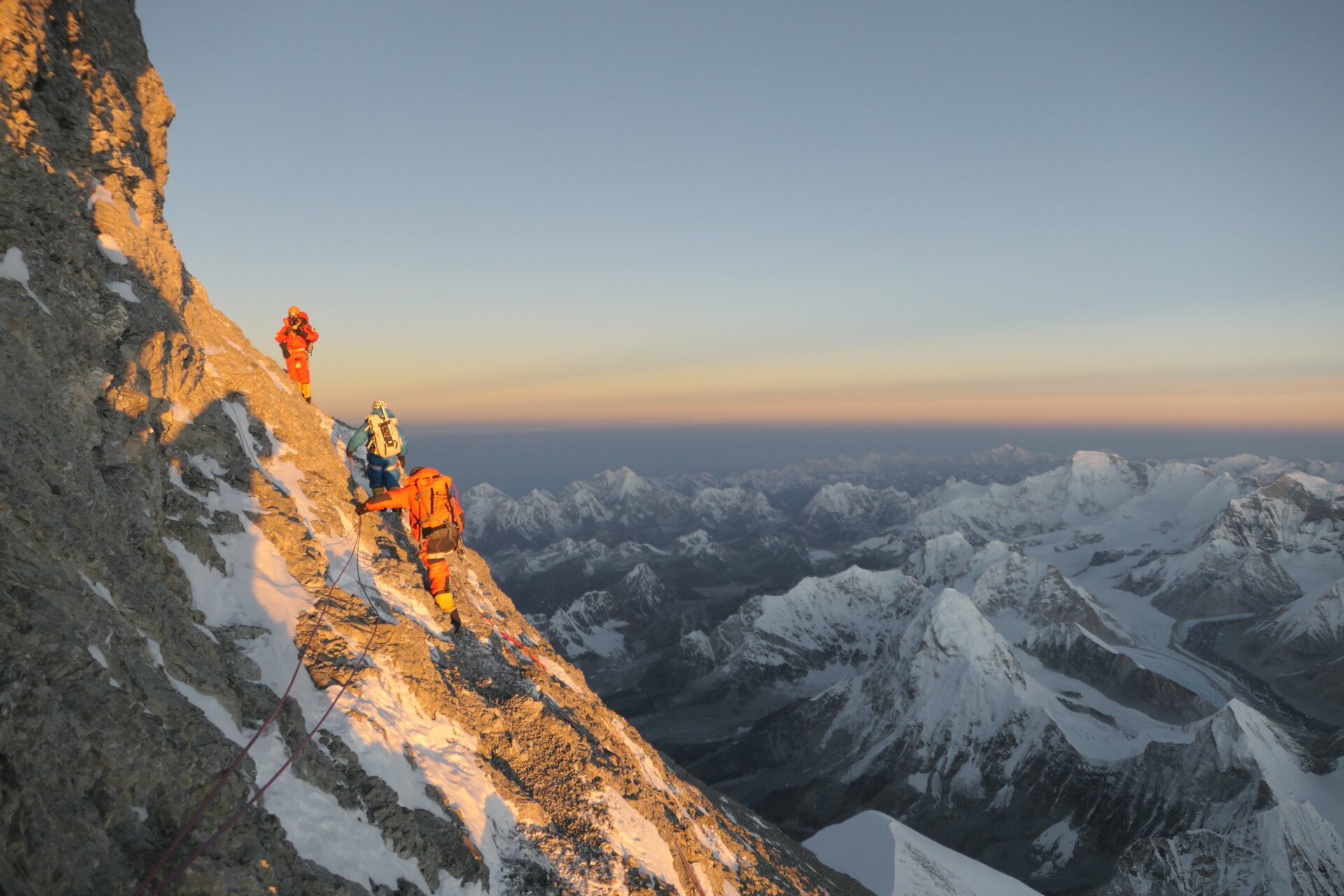
The 45-Day Everest Expedition stands as the ultimate mountaineering challenge and a lifelong ambition for climbers from around the world. Towering at 8,848.86 meters (29,031.7 feet), Mount Everest is not only the highest mountain on Earth but also one of the most iconic and spiritually symbolic peaks on the planet.
The adventure begins with a scenic flight to Lukla, the gateway to the Everest region. From there, climbers trek through the famous Khumbu Valley, passing through traditional Sherpa villages such as Phakding, Namche Bazaar, Tengboche, and Dingboche.
Throughout the journey, participants witness dramatic changes in landscapes—from lush forests and rhododendron groves to barren rocky terrain above the tree line. Snow-covered peaks dominate the horizon, creating one of the most spectacular trekking experiences in the world.
The Everest region offers more than breathtaking mountain scenery. Buddhist monasteries, colorful prayer flags, and ancient mani walls reflect the deep spiritual traditions of the Khumbu region.
The local Sherpa community brings centuries of mountaineering knowledge and a unique connection to the mountain. Their culture, hospitality, and resilience leave a lasting impression on every climber.
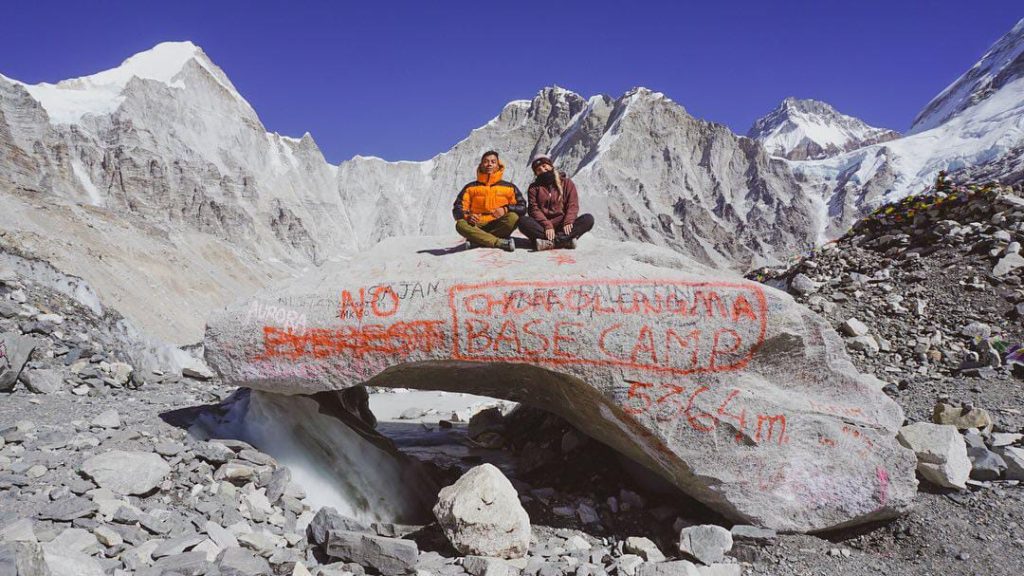
Upon reaching Everest Base Camp (5,364m), climbers begin an essential acclimatization process. Multiple rotations between higher camps allow the body to adjust to decreasing oxygen levels before the summit attempt.
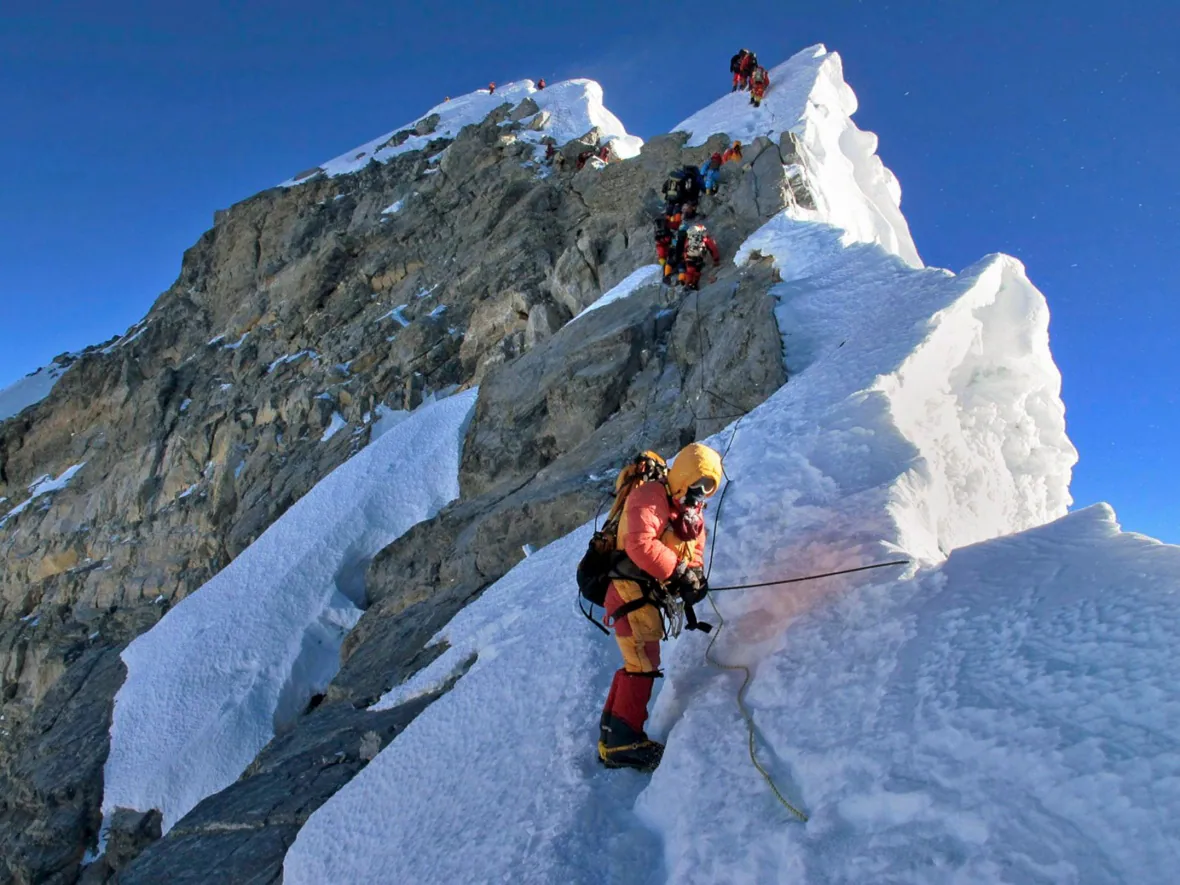
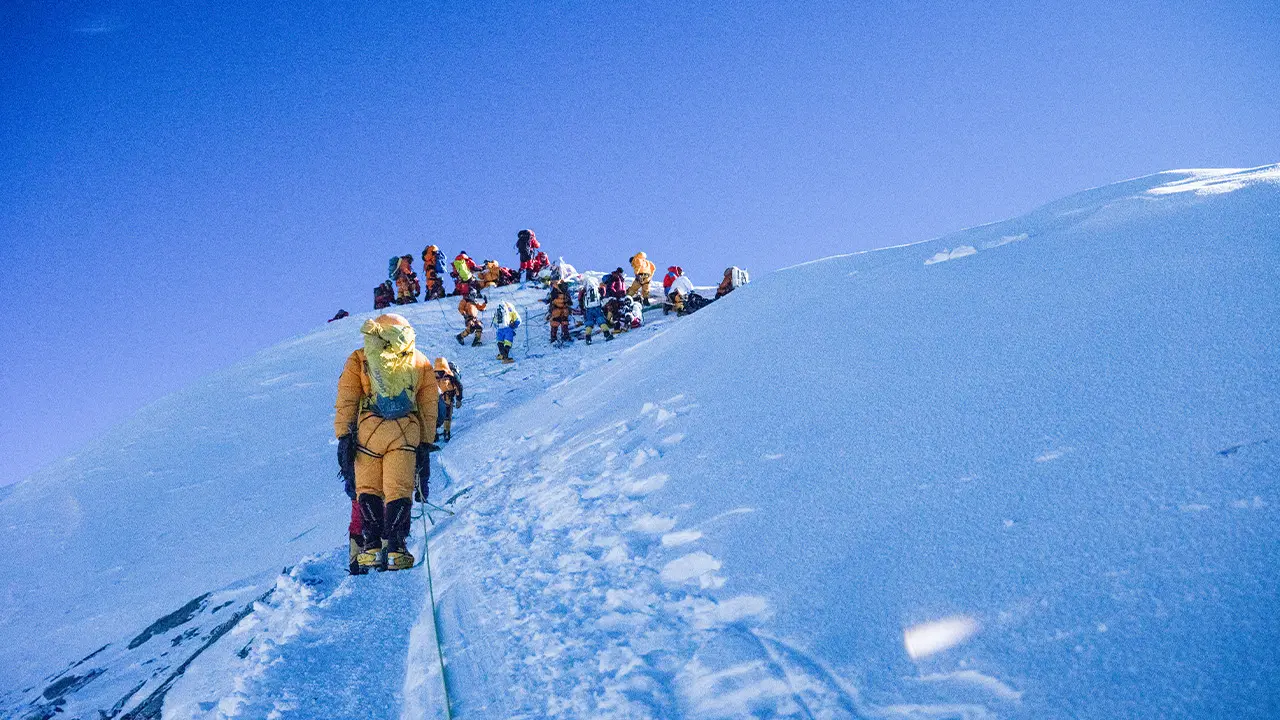
Climbing Everest is more than a mountaineering achievement. It is a journey of personal growth, determination, and self-discovery. Many climbers view the experience as life-changing, while others pursue the challenge of standing atop the world’s highest peak.
Regardless of motivation, every climber leaves with unforgettable memories and a deeper appreciation for the Himalayas.
The expedition takes place within Sagarmatha National Park, a UNESCO World Heritage Site renowned for its extraordinary natural beauty and biodiversity.
Most reputable expedition operators require evidence of prior high-altitude climbing experience before accepting participants.
Sherpas play a vital role in every successful Everest expedition. They serve as guides, load carriers, cooks, and rescue specialists while ensuring the safety and efficiency of the climb.
Many Sherpas have summited Everest multiple times and possess unmatched knowledge of the mountain’s weather patterns, terrain, and challenges.
Climbers are encouraged to follow Leave No Trace principles and respect local communities and ecosystems.

📱 WhatsApp / Viber
+977 9851018052
greatvision71@gmail.com




Write Your Review