


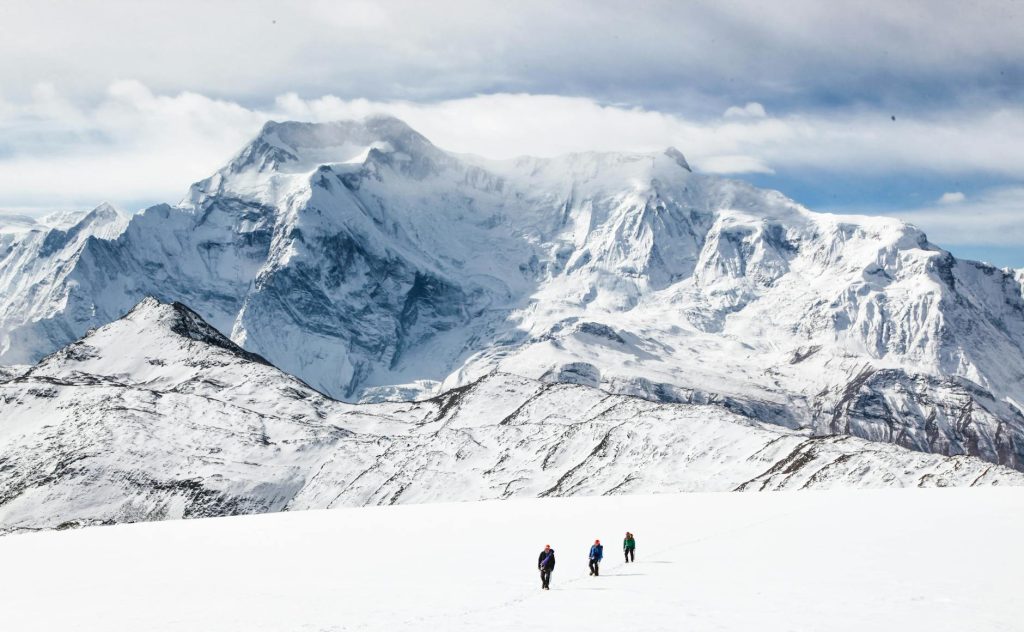
The Annapurna Three High Pass Trek is one of the most challenging yet rewarding trekking experiences in Nepal. Covering three of the highest passes in the Annapurna region, this trek takes you through remote villages, ancient monasteries, high alpine landscapes, and breathtaking Himalayan views. It is an ultimate adventure for seasoned trekkers seeking both natural beauty and cultural immersion.
It offers panoramic views of the Annapurna Massif, Dhaulagiri, Machapuchhre, Nilgiri, Gangapurna, and Tilicho Lake.
The Annapurna Massif
The Annapurna massif includes several prominent peaks:
- Machapuchhre (6,993 m) – also called Fishtail Mountain, sacred and unclimbed.
- Annapurna I (8,091 m) – the main peak, first climbed in 1950, and the first 8,000-meter peak ever climbed.
- Annapurna II (7,937 m)
- Annapurna III (7,555 m)
- Annapurna IV (7,525 m)
- Annapurna South (7,219 m)
Annapurna Conservation Area
The Annapurna Conservation Area (ACA) is Nepal’s largest protected area, covering over 7,600 sq. km. It is home to:
- Communities: Gurung, Thakali, Manangi, and Tibetan-influenced people.
- Flora: Rhododendrons, oak, bamboo, alpine shrubs.
- Fauna: Snow leopard, blue sheep, Himalayan tahr, langurs, and more than 470 bird species.

Annapurna Trekking Routes
The Annapurna region has a variety of trekking trails, ranging from easy to challenging:
- Annapurna Base Camp (ABC) Trek – Moderate, 7–12 days.
- Annapurna Circuit Trek – Classic route around the massif, 14–21 days.
- Annapurna Three High Pass Trek – Advanced trek crossing Thorong La, Kang La, and Mukti Pass.
- Ghorepani Poon Hill Trek – Short and scenic, 4–6 days.
- Tilicho Lake Trek – Visit one of the world’s highest lakes (4,919 m).
Trekking Package – What a Standard Tour Includes
The Annapurna Three High Pass Trek is for experienced and physically fit trekkers. With proper preparation, packing, and a trusted guide, trekkers can have an unforgettable experience.
24 days is standard, but 20–26 days depending on acclimatization stops and Tilicho Lake excursion.
Most trekking agencies in Nepal offer package tours for this trek. A typical package includes:
Accommodation:
- Basic rooms with shared bathrooms at remote high-altitude stops.
- Teahouses or lodges in villages along the trail.
- Warm sleeping bags may be provided at some lodges.
Meals:
- Full board: Breakfast, lunch, and dinner included.
- Nepali and continental cuisine.
- Tea, coffee, or hot chocolate is included in most lodges.
Transportation:
- Pickup/drop from Kathmandu (private vehicle or bus).
- Domestic flight from Jomsom to Pokhara (optional).
- Porters or mules for luggage (optional extra).
Guide & Support:
- Experienced trekking guide with ACAP and TIMS permits.
- Porter service to carry heavy luggage (optional, highly recommended).
- First aid and high-altitude trekking support.
Permits & Fees:
- Annapurna Conservation Area Permit (ACAP)
- TIMS Card (Trekkers’ Information Management System)
- Upper Mustang/Nar-Phu permits, if applicable
Emergency Assistance:
- Oxygen cylinder availability in some high-altitude lodges.
Cultural Highlights
- Manang & Mustang: Famous for yak herding, monasteries, and Himalayan traditions.
- Muktinath Temple: A sacred pilgrimage site for Hindus & Buddhists.
- Nar-Phu Valley: Hidden Tibetan-style villages.
Complete Trekking Packing List
A proper packing list is essential for safety, comfort, and efficiency. Here’s a detailed list:
Clothing
- Waterproof and windproof jacket & pants
- Insulated down jacket for high altitudes
- Fleece jacket / warm sweater
- Thermal base layers (top & bottom)
- Moisture-wicking trekking shirts & trousers
- Trekking shorts (for lower altitudes)
- Gloves, hat, and scarf/buff
- Warm socks (wool or synthetic)
- Lightweight gloves for daytime
- Gaiters for snow and mud
Footwear
- Trekking boots – waterproof, broken-in
- Camp shoes/sandals for lodges
- Extra socks (at least 5–6 pairs)
Backpack
- 50–65 L trekking backpack with rain cover
- Daypack (20–30 L) for essentials during daily hikes
Sleeping & Accommodation
- Sleeping bag rated for -10°C to -15°C
- Light sleeping liner for extra hygiene
Accessories & Essentials
- Sunglasses with UV protection
- Sunblock SPF 50+ and lip balm
- Trekking poles (recommended)
- Headlamp/flashlight with extra batteries
- Water bottles/hydration bladder (2–3 L capacity)
- Water purification tablets or a filter
- Personal medications & first aid kit
- Toiletries: toothbrush, toothpaste, soap, hand sanitizer, wet wipes
- Trekking towel
Documents & Money
- Passport and copies
- ACAP, TIMS, and Mustang/Nar-Phu permits
- Trekking insurance and emergency contacts
- Cash in small denominations (Nepali Rupees)
Optional Items
- Camera with extra batteries / SD cards
- Power bank / solar charger
- Notebook/trekking journal
- Snacks: energy bars, chocolate, nuts
Health & Safety Tips
- Acclimatize: Take rest days in Manang and Nar.
- Stay hydrated: Drink at least 3–4 liters per day.
- Walk slowly on high-altitude days.
- Avoid alcohol and smoking during the trek.
- Use sunscreen and sunglasses to prevent snow blindness.
- Know basic first aid and carry a high-altitude sickness medication.
Summary
The Annapurna Three High Pass Trek Nepal is for experienced and physically fit trekkers. With proper preparation, packing, and a trusted guide, trekkers can experience:
- Breathtaking Himalayan views
- High-altitude lakes and passes
- Cultural immersion in remote villages
- Challenging yet fulfilling adventure
Proper preparation, including gear, acclimatization, and trekking packages, is key to making this trek a safe and memorable experience.


